

LUDLOW — There are two things certain when it comes to health care policy: costs and controversy.
At least that was the theme at a forum on Act 48 Thursday in Ludlow. Six leading figures in health care policy traded tit for tat as they debated the merits and potential pitfalls of Vermont’s emerging new health care system.
All six panelists could agree that the rate of health insurance premiums is rising at an unsustainable rate — 9 percent annually for the average U.S. family covered through an employer according to a study by the Kaiser Family Foundation. And most agree that the state and the country need to do something about this issue.
After that, it got more nuanced.
In a relatively full auditorium, with a noticeably older crowd, panelists on all sides of the political spectrum traded blows on the issue.
The main target was Act 48, Vermont’s new law which aims to create Green Mountain Care — a publicly-financed health care system that will provide coverage for all Vermonters. The law charges an appointed five-member board with developing a benefits package, three-year budget, payment reform, and a general plan for the system. The system could go into effect in 2014 pursuant to an exchange requirement under the federal Patient Protection and Affordable Care Act, which requires that each state create a Health Benefits Exchange that offers residents of the state the means to compare information on different plans.
While proponents of a universal healthcare system are optimistic about its ability to cut administrative costs and provide a more streamlined system with coverage for all, opponents doubt that the state can make it work.
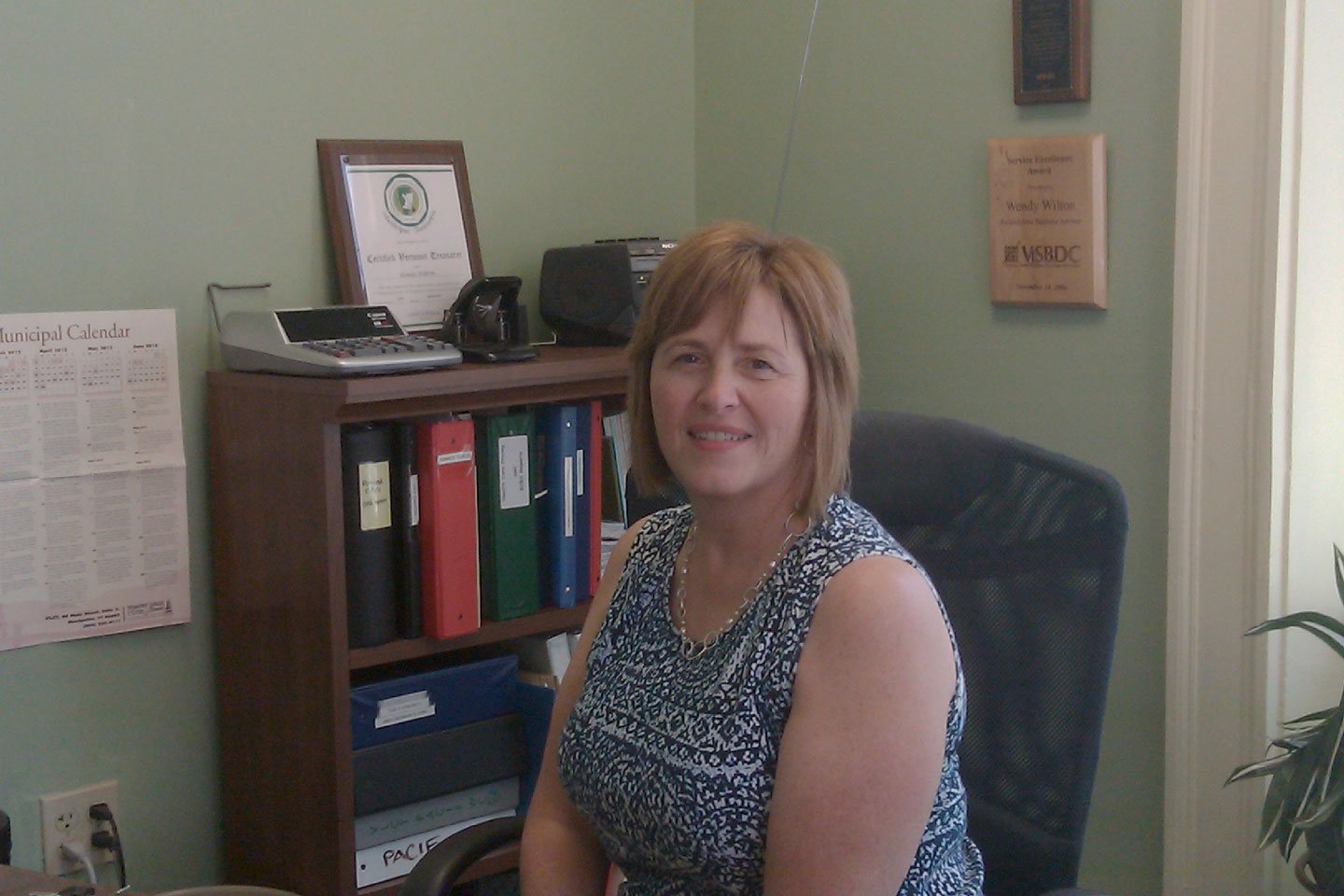
Wendy Wilton, treasurer for the City of Rutland, drew applause from the crowd when she said that people who have unhealthy habits have the potential to raise costs for everyone in a universal healthcare system. She argued that people who smoke or are overweight should have to pay more or get less health care rather than spreading the cost among all residents.
“People are willingly and knowingly causing health problems. Why do I have to pay for that?” Wilton asked rhetorically.
Wilton has been calculating potential financial outcomes of Green Mountain
Care, the universal health care system that Act 48 mandates, and she predicts it will cause the state a $2 billion budget deficit within five years. Wilton claimed no one has challenged her calculations, although they differ sharply with forecasts by Dr. William Hsiao, the Legislature’s consultant and chief architect of the state’s version of universal coverage. Hsiao has estimated $588 million in systems savings in just the first year of the plan.
Under the act, the Joint Fiscal Office and BISHCA produced a preliminary cost estimate in April and will produce a final estimate in November. A financing plan recommendation is due Jan. 15, 2013.
Even Wilton agreed, however, that some reform is necessary since the costs of health care are rising faster than the economy.
We’re doing something wrong, and we can learn from these other countries.”
– Deb Richter
While skeptics of Act 48 are leery about whether a universal healthcare program will be financially viable, proponents argue the state has to do something to change the status quo.
Deb Richter said evidence shows there is something deeply wrong with health care in the United States. Richter is a physician and the president of Vermont Health Care for All, a nonprofit organization that advocates for a universal health care system. She pointed to a 2010 study by the Commonwealth Fund that compared the United States with six other industrialized nations. Despite having the most expensive health care system in the world, the United States ranked last or next to last in quality, access, efficiency, equity and healthy lives.
“We’re doing something wrong, and we can learn from these other countries,” Richter said.
Richter said that what Vermonters are not paying in insurance premiums, they are paying in taxes and out-of-pocket expenses. She said the state needs to take a close look at the entire system and work on reining in costs—an area where she said the private sector has failed.
According to a recent health care expenditures analysis by the Vermont Department of Banking, Insurance, Securities and Health Care Administration, Vermonters spent $4.7 billion on health care in 2009, and that number is predicted to rise by 5.7 percent from 2010 to 2013.
Bob Gaydos echoed the common theme that the United States and Vermont health care systems are “unsustainable.” Gaydos is a principal at Digital Insurance, an employee benefits agency that specializes in medical insurance for small and mid-sized businesses. He said the health care system needs to encourage innovation and that the state needs to pursue the idea of a competitive, market-based exchange where businesses and individuals have a choice as to which plan they want.
Steve Kappel, an expert in financial modeling and founder of the consulting firm Policy Integrity, shied away from making any promises about what would be the end result of a universal health care system. He said the key is taking a step back and deciding what we value.
Kappel said health care is complex because it includes “metaphors about who we are and what we believe in.”
He said the general idea is to create incentives for keeping patients healthy rather than encourage more fee-for-service care where hospitals and doctors have an incentive to do more procedures and more tests in order to increase revenue. A global budget would help shift this incentive, Kappel said. The basic ethical question, he said, is: “What do we owe each other, and how well does the system meet that need?”
Where Kappel was philosophical, Darcie Johnston, founder of the group Vermonters for Health Care Freedom, was political. Johnston has pushed for an early release of the financing proposal for Green Mountain Care before the 2012 election. She said Act 48 could eliminate the benefits of a free market system where people can choose their own insurers. She and Wilton both argued that a universal program could push doctors out of the state to higher-paying jobs.
Sen. John Campbell, D-Windsor, defended the proposed plan against allegations that it would drive doctors out of the state and result in rationing care. Campbell said the state should encourage doctors to go into primary care rather than the higher-paying specialty positions and work on more creative programs like loan forgiveness for primary care physicians. He said one of the main benefits of a universal, state-run program is the cost savings of reduced paperwork and other transaction costs that health care providers have to deal with when they get paid through numerous insurance companies.
As the healthcare debate continues, Vermont is creeping closer to a universal healthcare system. Only time will tell the extent of its success.
