


The University of Vermont is divesting its more than $500 million endowment from fossil fuels.
UVM will immediately end all new direct investment in fossil fuels, according to a resolution unanimously endorsed by university trustees Tuesday, and will fully divest from public direct investments in fossil fuels by July 2023. Preexisting multi-year private investments that include fossil fuels, which the school stopped acquiring in 2017, will be allowed to lapse without renewal.
The announcement caps years of student activism on the matter. Student groups last year launched a campaign – not for the first time – to push trustees to divest, and asked them to do so completely by 2027. The board responded by creating a working group to study the matter in March, which formally recommended divestment earlier Tuesday.
Kieran Edraney, the president of Organize UVM, a student group that has been pushing for divestment, said Tuesday he was “super pleased” about the university’s commitment.
And he noted that many other schools that had promised to divest had given themselves a much longer runway than UVM.
“UVM said by 2023. So they are only doing three years, which is a really quick timeline. I’m really happy with that,” the rising UVM senior said, although he added he was not speaking for the entire group, which has yet to take a position on the school’s announcement.
While the school has committed to getting rid of all its direct investments in fossil fuel companies, some indirect investments may remain through commingled funds, which include assets from multiple accounts. For that reason, Edraney said UVM’s commitment is a solid one – but not perfect.
In a statement announcing UVM’s decision to divest, university officials said they would ask the asset managers of its commingled funds to “factor the financial risks of climate change into their investment decision-making process.”
At a press conference announcing the trustees’ vote, university officials acknowledged the role that activism had played, and complimented students on their campaign.
“I’m really proud of the way they approached this issue in a constructive – and therefore, I think, effective – fashion,” said UVM President Suresh Garimella. UVM Trustees Chair Ron Lumbra said the board appreciated “the research they conducted and their sincere effort to understand the full complexity of the issue.”
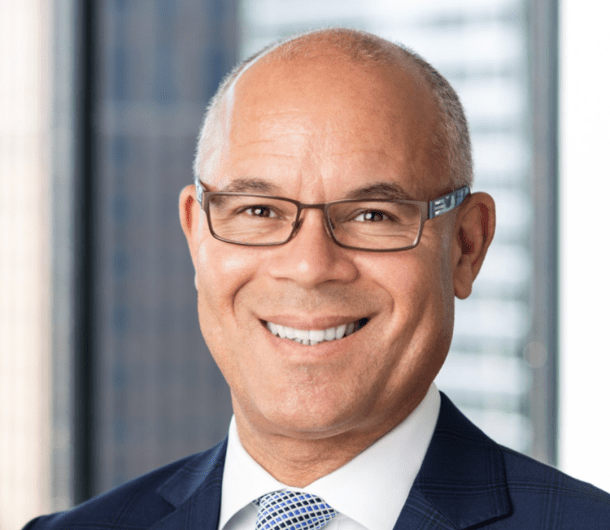
UVM’s endowment is currently valued at about $536 million, Lumbra said, and about 6.7% of its investment portfolio is related to fossil fuels. The bulk of those funds are in direct investments. It could take until 2030 for all preexisting private investments involving fossil fuels to sunset, Lumbra said, but the money involved should be negligible.
Trustees rejected calls to divest in 2013, and again in 2016, when campus activists narrowed their ask to just divesting from coal. Trustees said at the time that while the schools didn’t currently have any holdings in coal companies, it would be financially imprudent to remove commingled funds from the university’s portfolio.
Since then, the landscape has shifted considerably, Lumbra said. The long-term outlook for fossil fuel companies is less robust. And it’s significantly easier, logistically, to manage portfolios with climate change in mind.
“The opportunity to invest in sustainable funds, in sustainable, environmentally friendly ways, have really amplified in the past few years,” he said.
The divestment movement is modeled on a campaign waged against the South African state during its period of apartheid. Globally, more than 1,000 institutions, including pension plans, faith-based organizations, and colleges, with assets valued at more than $14 trillion have committed to divestment, according to 350.org.
The push to divest has racked up a series of wins in recent years, including in Vermont, where Middlebury College in early 2019 announced the school would divest its $1 billion endowment from fossil fuels over the next 15 years. In May, the University of California system became the largest educational institution in the country to divest when it pledged to make its $126 billion endowment fossil fuel-free.
