


In testimony before a joint meeting of four legislative committees Wednesday, DCF Commissioner Ken Schatz said that the language is “broad.”
“We definitely have questions and concerns about some of the language here in terms of scope and how it would be interpreted,” Schatz said.
The failure to protect a child provision is one of the biggest changes to the state’s child protection system proposed in the legislation known as S.9 unveiled last week. The bill is the subject of a packed lineup of hearings this week.
S.9 came out of a committee of legislators that met last summer around the state to decide on how to modify the state’s child protection system after the deaths of two young children whose families had been in contact with DCF. Among other things, the bill creates the new criminal offense of failure to protect a child.
Schatz called attention to phrasing in the bill about the “exposure” of children to illegal drugs, including Ecstasy, narcotics and marijuana. He voiced concerns that, as written, criminalization of the failure to protect a child could hamper the efforts of the DCF because it might dissuade parents from coming forward for fear of facing charges.
“We want to ensure that this has the effect of actually preventing the crime from occurring and allowing us the appropriate tools to address it,” Schatz said, “rather than causing people to be so concerned about the potential for being prosecuted that they won’t go to medical people.”

In comments to the study committee in July, Sorrell recommended that lawmakers consider amending the law to hold caregivers responsible if they permitted a child to be harmed, even if they didn’t harm the child themselves.
His assertion stemmed from at least one case in which both parents said they were not responsible for causing injuries to the child.
“I’m pleased to see you have followed my recommendation,” he said.
However, Sorrell gave a nod to concerns over the language in the bill, which some have criticized as too broad — particularly phrasing that holds a caregiver responsible if he or she “knows or reasonably should have known” that a child was at risk of bodily injury, sex abuse or drug crime.
“This was not intended to be something that a teacher or a DCF worker or other could be criminally prosecuted for,” Sorrell said.
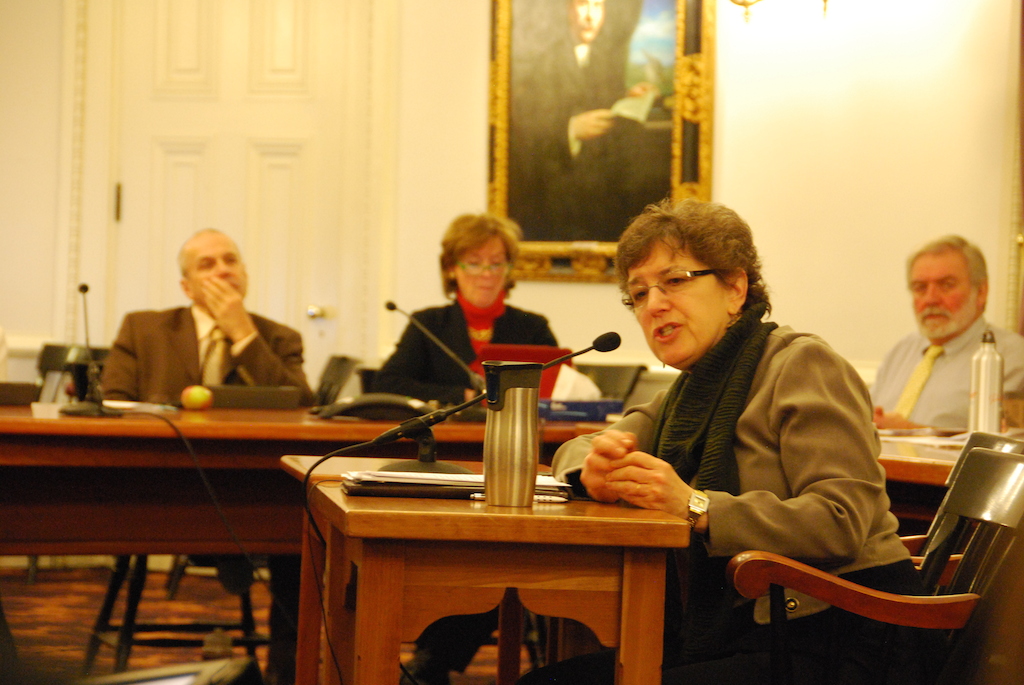
“They deserve to be applauded for coming in to do what is best for their baby,” Borden said. “If they risk criminal prosecution, they might not do that.”
Another major concern for those testifying before the committee is that appropriate amounts of resources be allocated to support DCF workers, who have caseload levels well above the nationally recommended average of 12 per worker.
The state’s information technology system is also cumbersome and outdated, which poses problems around efficiency and information sharing — slowing down cases and increasing expense, witnesses said.
“We can’t accept the risk that some children will die because we didn’t invest,” Borden said. “If we’ve learned anything from these children’s deaths, it’s that we can’t cut corners when it comes to child safety.”
Schatz also spoke against the committee’s proposal to to empower DCF workers to take children into custody. Currently that job is caried out by law enforcement — and DCF, Schatz said, would like to see it stay that way.
“Frankly, we feel we have a very good relationship with law enforcement all across the state,” Schatz said. “Social workers are not trained to undertake that kind of activity.”

