

The trustees of the Vermont State Colleges voted 8-5 Thursday to increase tuition by 3 percent at the state’s five local colleges.
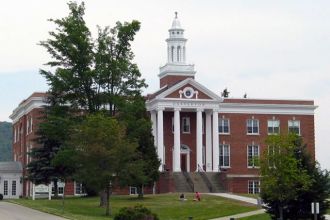
Tuition will increase about $280 at Castleton State College, for example, bringing the total to $9,500. Rates at Johnson State College, Lyndon State College, Vermont Technical College and the Community College of Vermont vary somewhat. Tuition at the University of Vermont, which is not part of the state college system, is $13,728.
On average, it costs about $19,524 for in-state tuition and room and board at the state colleges. The total rate at the University of Vermont is $26,120.
Rep. Jim Masland, D-Thetford, a trustee of the colleges, voted for the tuition and fee increase. “I agreed with the chancellor that it was necessary to raise rates to advance the programs at the five colleges,” Masland said. “As you know, the governor recommended that money for the colleges and the university be increased by 2 percent effective Jan. 1. That is effectively 1 percent and given the pressure on budgets at the colleges, 1 percent puts us in a strait jacket. We recognize increasing tuition 3 percent puts students and parents at a disadvantage, but we didn’t have much of a choice.”
The state college trustees who voted against the 3 percent increase told the Associated Press the state is not adequately funding the state college system, and, as a result, tuition increases are hurting Vermont families struggling to pay for their children’s college educations.
They wanted to freeze tuition as a way of sending a message to the Vermont Legislature, which must approve an annual appropriation for the University of Vermont and the Vermont State Colleges.
A freeze would have left the state colleges with a $6 million deficit, according to budget documents from the colleges.
In his budget address, Gov. Peter Shumlin proposed a 2 percent increase for the state’s contribution to UVM and the state colleges, but because the increase wouldn’t go into effect until January 2015, the boost amounts to 1 percent for the next school year. Both institutions are asking the Vermont Legislature for more. UVM has requested 3 percent and the state colleges want a 4 percent hike.
Recently state college board members have become more strident about what they perceive as a disparity in funding for UVM and the state colleges. In reports, they blame tuition increases on “inadequate state funding.” They say the state’s identical, flat percentage increases for VSC and UVM only exacerbates the discrepancy between state funding for the two institutions. UVM gets about $43 million from the state; while the Vermont State Colleges receive about $24 million.
Outgoing trustee Gary Moore told VPR that “every year the gap between UVM and the VSC gets larger. It’s just like giving every one of your employees the same percentage raise.”
State college officials say the five colleges deserve more state funding because they educate more Vermonters.
Eighty-three percent of the roughly 10,000 students in the state college system are from Vermont, and 57 percent are the first in their families to go to college. More than 80 percent of students who graduate from the colleges stay in Vermont, according to statistics from VSC.
About 35 percent of UVM students, or roughly 4,800 students this year, hail from the Green Mountains.
Vermont has the second lowest level of state support per student (roughly $2,500) in the nation.
The colleges have tried to keep tuition and fees down by increasing enrollments. In 2001, the colleges had about 7,300 full-time students; that number ballooned to about 10,126 a few years ago.
In the past several years, enrollments have dropped a few percentage points. Because the colleges have become more dependent on tuition as a primary source of revenue, the decline has hurt budgets, according to Daniel Smith, director of community relations and public policy for the colleges.
Recently, students have engaged in a letter-writing campaign in support of S.40, a bill that would boost state funding to 1980 levels. Thirty-four years ago state support accounted for 51 percent of the state colleges budget; in 2011, the level of state funding was about 19 percent. College officials now say the state funding level is about 13 percent.
Krystal Barr, a first generation student at Castleton State College, said in an email that she will graduate with more than $70,000 in student debt, and she worries that she won’t be able to pursue a master’s in social work without a full scholarship.
Sixty-three percent of Vermont college graduates have a debt of $28,299, according to the Project on Student Debt.
