

Editor’s note: Jon Margolis is a columnist for VTDigger.org.
Vermonters owe Gov. Peter Shumlin gratitude and respect for his candor, if not necessarily for the breadth of his spirit.
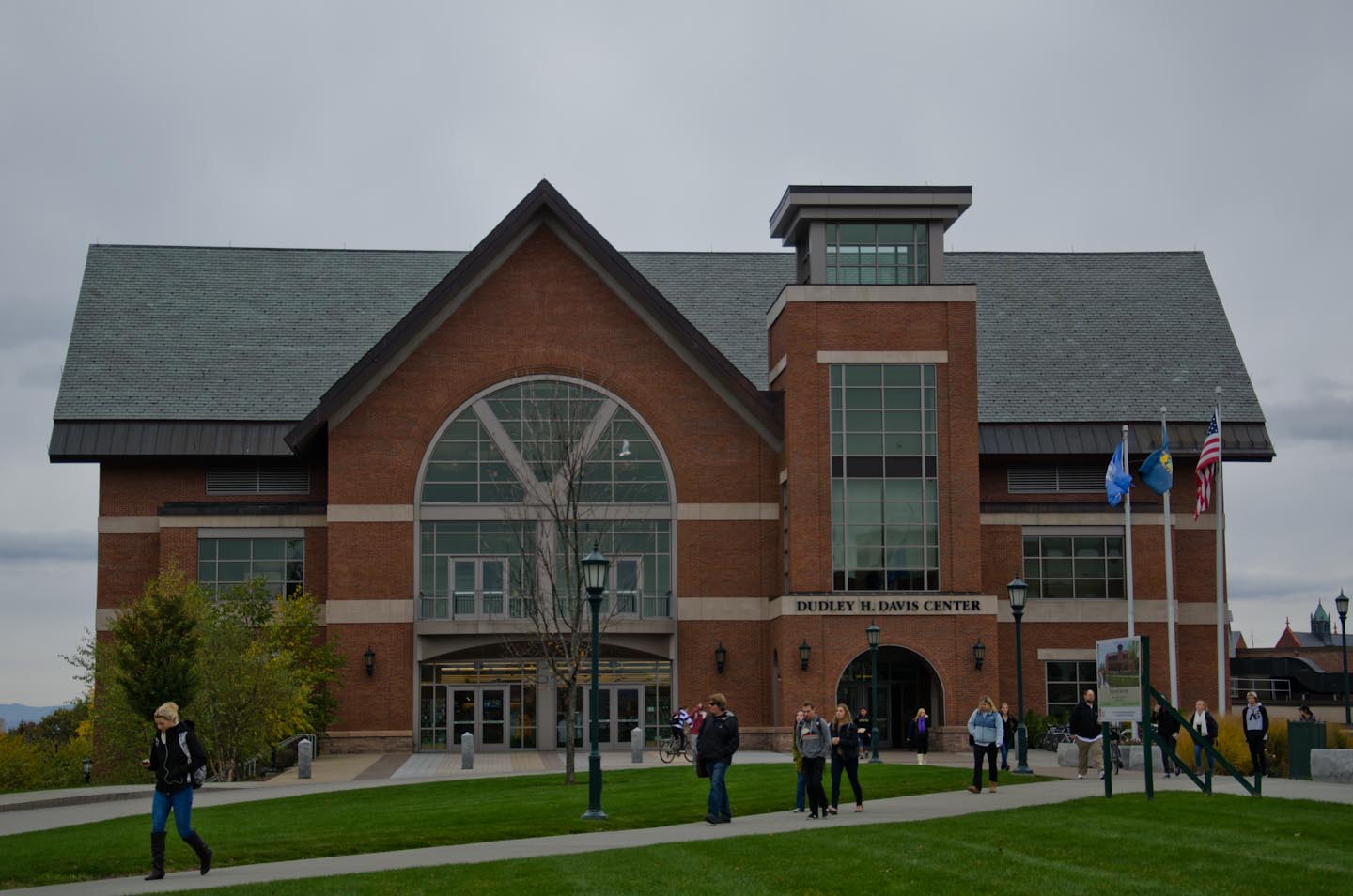
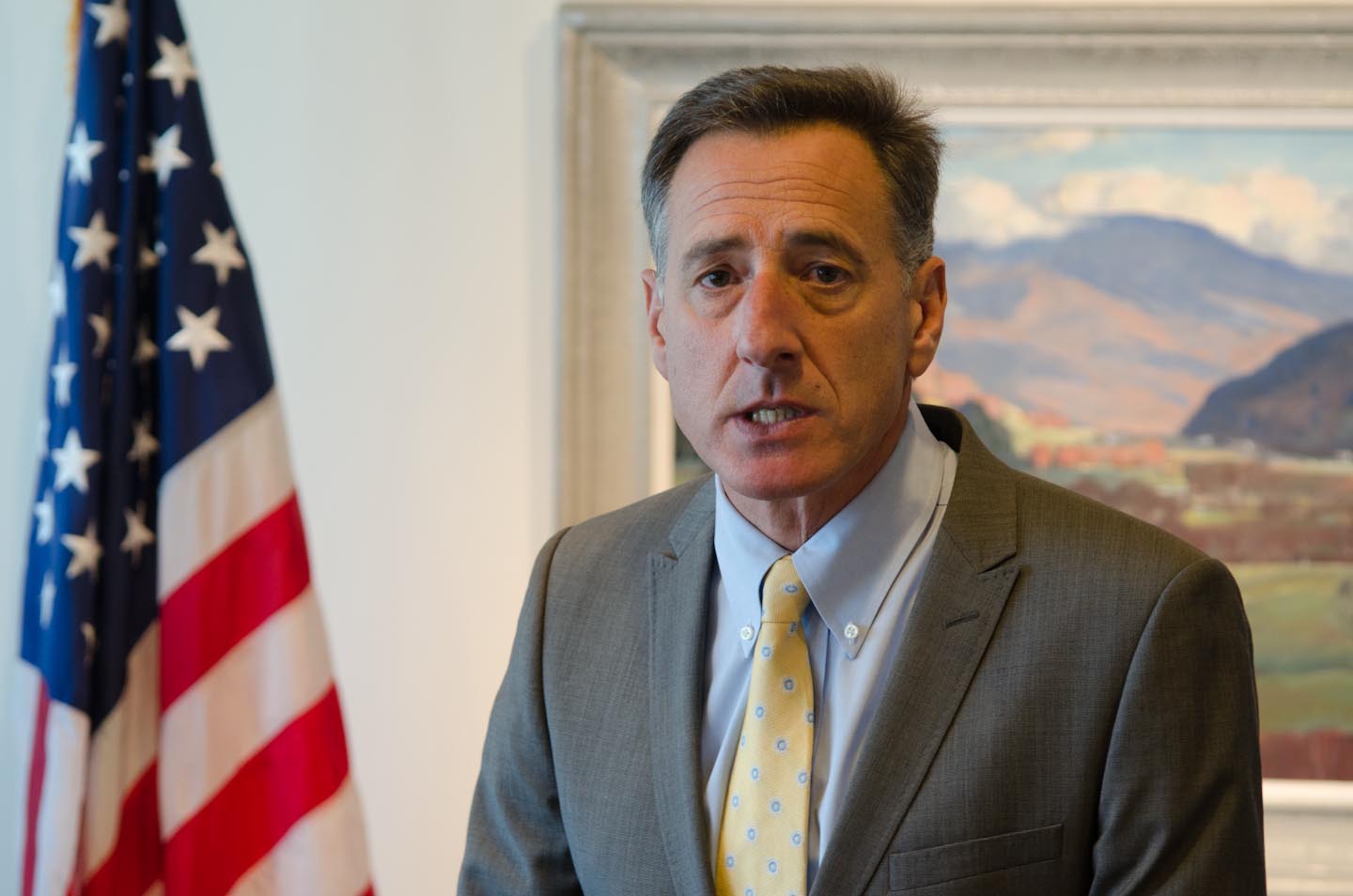
In a brief, forthright speech at the University of Vermont last week, Shumlin openly spoke a truth that Vermont politicians usually finesse, if they do not simply ignore it: UVM is, first and foremost, a taxpayer-financed subsidy for the state’s business community.
The university, the governor said, should concentrate on “preparing students for the jobs of the future…connecting the power of the research university…to support and expand partnerships in the state’s business sector and economy…preparing our students not only to get good jobs…but also…to go out and create those good jobs as burgeoning entrepreneurs.”
Culture? The arts? Philosophy? Literature? The old educational ideal of the well-rounded man or woman trained not simply to earn a good living but to live an interesting life?
Not a word about any of it.
Nor about purely theoretical science, which rarely does much to “support and expand” a state’s business sector. There is no record of a shrewd entrepreneur in 1905 glomming onto this new idea of Special Relativity and turning it into a profit-making company. If the next generation’s Einstein lives in Vermont, he or she will probably have to go to college out of state.
But not, probably, to any other state university. What Shumlin said about UVM is true –- or at least is fast becoming true –- at all other public universities and colleges in the country. Officials at several of them may claim otherwise. A few of those claims –- in Berkeley, Calif.; Madison, Wisc.; Ann Arbor, Mich. -– may even have some merit.
But perhaps not for long, as tight budgets merge with an increasing push to make sure that, in Shumlin’s words, any state’s appropriation to its university is spent “in strategically focused ways that have the maximum return on investment.”
“Return on investment” is not a phrase often heard in classes about the Thirty Years War, Plato, or John Keats, perhaps because while there may be a very rich return on the time and effort invested in those classes, it is rarely measured in dollars if it can be quantified at all.
Before the liberal arts professors get themselves into a big tizzy (and getting themselves into a big tizzy is the default position for liberal arts professors), they might consider whether subsidizing business wasn’t just what Vermont’s own Justin Morrill had in mind when he created the state university back in the 1860s.
Then Congressman (later Senator) Morrill was the chief sponsor of the Land Grant College Act, signed into law by President Lincoln in 1862. Introducing the bill, Morrill said that the institutions he envisioned were to be “accessible to all, but especially to the sons of toil, where all of needful science for the practical avocations of life shall be taught.”
No Philistine. Morrill added that “neither the higher graces of classical studies nor that military drill our country now so greatly appreciates will be entirely ignored.”
Calling for something to be “not entirely ignored” is not exactly a proclamation of its importance. To Morrill, classical studies were to take a back seat to “agriculture, the foundation of all present and future prosperity.”
Not as it turned out. But agriculture was central to the economy in the 19th century, and Morrill clearly saw that the state university’s chief task should be to train young men (and maybe a few women) to be better farmers so they could earn more money. The university was to be a taxpayer-financed subsidy to the individual farmer, not to a company. But in those days, most people didn’t work for companies. Now they do.
To be sure, today’s individuals who become more highly skilled employees –- at the expense of the taxpayer, not the employer -– will also benefit from what they learn at employer-oriented UVM.
As many Vermonters know, their direct tax support of the university is limited, roughly 14 percent of UVM’s $600 million general budget. But most of that other 86 percent is directly or indirectly tax-supported also. UVM gets money from foundations (which are tax shelters), from tax-deductible individual donations, and from research grants from for-profit companies (mostly tax deductible).
Even tuition is government-subsidized through guaranteed student loans, Pell Grants, work-study jobs and several other federal and state programs designed to help students afford a college education.
From his own perspective, Shumlin might have erred by ignoring the arts. They are an economic engine. Plays, concerts, museum exhibits, and even poetry readings (Poet Laureate Phil Levine filled a good-sized auditorium in Burlington two months ago) draw sizable –- and largely affluent –- crowds, many of whom eat out, sleep over and go shopping while they’re in town. Return on investment in the Burlington arts scene – on and off the UVM campus –- could be impressive.
Shumlin did not suggest that UVM become an indiscriminate, open-ended subsidy to business. He wants the University to focus on specific areas which are likely to grow in coming years and which fit Vermont’s resources and interests –- health care; environment, especially the challenges and opportunities presented by climate change; and the “agriculture that supports our economy and way of life, and fosters Vermont’s bright future as a quality food producer.”
All this makes sense, but also raises complications. For instance, the subject of Vermont’s promising localvore, “farm to plate” agricultural sector –- clearly one of the endeavors Shumlin wants UVM to support –- brings up questions that transcend agriculture and the business thereof. In fact, the very suggestion that the university support this agricultural sector is political, bringing into the mix at least one of the social sciences.
But it really brings in more than that. It raises the question of what kind of society Vermont wants to become, which in turn raises the question of what is personally worthwhile, of what constitutes not just the good society but the good life.
Just the question Socrates asked.
So students had best study Plato after all. Otherwise, they (and we) get less return on investment.
Perhaps not quite the way he intended, Peter Shumlin might have helped UVM become a great university.

