



Want to keep Vermonters from smoking? Raise taxes on cigarettes. By $1 a pack, advocates say.
If you believe in using tax policy as a way to change behavior, that’s what it would take to prevent 3,600 kids from becoming smokers, push 2,000 adults to quit and save 1,600 Vermonters from dying prematurely from smoking related diseases such as lung cancer and emphysema, according to the Coalition for a Tobacco Free Vermont.
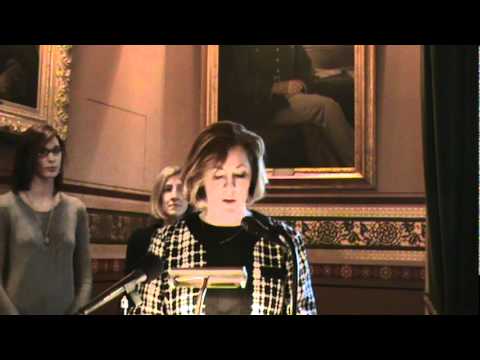
Representatives from the Coalition, including the American Lung Association, the American Heart Association and the Low-Income Advocacy Council held a press conference at the Statehouse on Tuesday to expound on the potential health impacts of the new tax.
A side benefit? The new tax would raise about $10.2 million in new revenue, the advocates said, that could be used toward smoking cessation programs, counseling and other health-related expenditures. Gov. Peter Shumlin’s budget proposal includes a $2.1 million reduction in anti-smoking messaging and programs. Of that amount, $1.9 million is in cuts to education programs offered by the Health Department; the total budget for cessation efforts is $4.5 million.
Rep. George Till, D-Jericho, a physician, will introduce the cigarette tax bill in the House of Representatives. It’s the second proposal Till has backed in this legislative session that would use a tax to change health-related behaviors. The first bill he supported was a one-cent-per-ounce excise tax on “sugar-sweetened” beverages, such as soda.
In both cases, Till has said the proposed taxes are a way to keep Vermonters from consuming products that are harmful to their health. Industry lobbyists have argued that consumption taxes are harmful to Vermont businesses.
The Coalition advocates were careful to couch their arguments in budgetary terms. They emphasized that the new tax would lower health care costs.
They came armed with an impressive array of charts, surveys, statistics and budget estimates.
About 84,000 Vermonters smoke; 62 percent of those smokers tried to quit last year.
State revenue gains from cigarette taxes
Prices and youth smoking rates
Cigarette tax fact sheet
Mellman Group poll showing Vermonters support $1 cigarette tax
Cigarette Tax Poll results

“This is a little push to get people over that hump,” Till said.
The annual health care costs associated with smoking run about $233 million in Vermont. About $73 million of that care is paid through Medicaid.
The majority of those smokers are low-income and a surprising number are young.
Jerry Tardif, a double lung transplant survivor, talked about the human toll. His mother and uncle both died of smoking related diseases. Tardif said, “I am living proof of what cigarettes can do.” He described smoking while he was on oxygen and watching the couch he was sitting on catch on fire. Tardif stopped smoking in 2003.
A pack of cigarettes sells for $6.50 on average. Vermont charges $2.24 per pack in taxes. The real cost in health care dollars, Till said, is $5 per pack. (The cost in lost productivity? An additional $5 per pack, according to Till.)
“If I make a bad choice, whose responsibility is it?” Till asked. “Who should be bearing the financial burden? Should it be the person who made the choice, or the rest of society?”
Vermont charges $2.09 less than New York, which has the highest tax rate on cigarettes in the country at $4.35 per pack. Consequently, retailers on the western side of the state have been conducting a brisk business in cigarette sales – in the fiscal year 2012 budget cycle, the state projects it will take in $3 million more than anticipated in taxes due to the price differential.
If Vermont raised its tax to $3.24, it would still cost $1 less per pack to buy cigarettes in the Green Mountains than it would in New York. On the New Hampshire border, Vermont’s tax rate is less advantageous. We currently charge about 46 cents more.
How would all this go over with voters? The coalition members rattled off answers in the form of more statistics. About 75 percent of Vermont voters support an increase in the tobacco tax, according to Rebecca Ryan of the American Lung Association. Eighty-one percent would also endorse a tax on other products, such as chewing tobacco.
The Legislature has raised the cigarette tax three times in the last nine years.
